Practical solutions for communication, technology and independence
Practical solutions for communication, technology and independence

Environmental control technology can help individuals become more independent by enabling them to control devices and appliances within their home. Small changes can often make a significant difference to confidence, participation and quality of life.
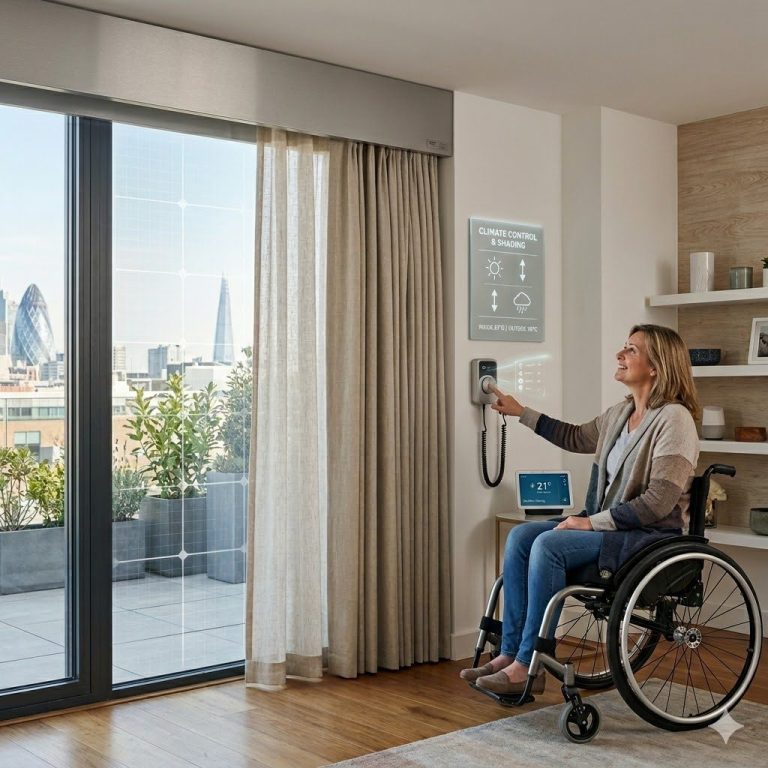
When considering environmental controls, begin by identifying activities that are difficult or require assistance from others. Tasks such as turning lights on and off, controlling the television, opening curtains or adjusting heating can often be made more accessible through technology.
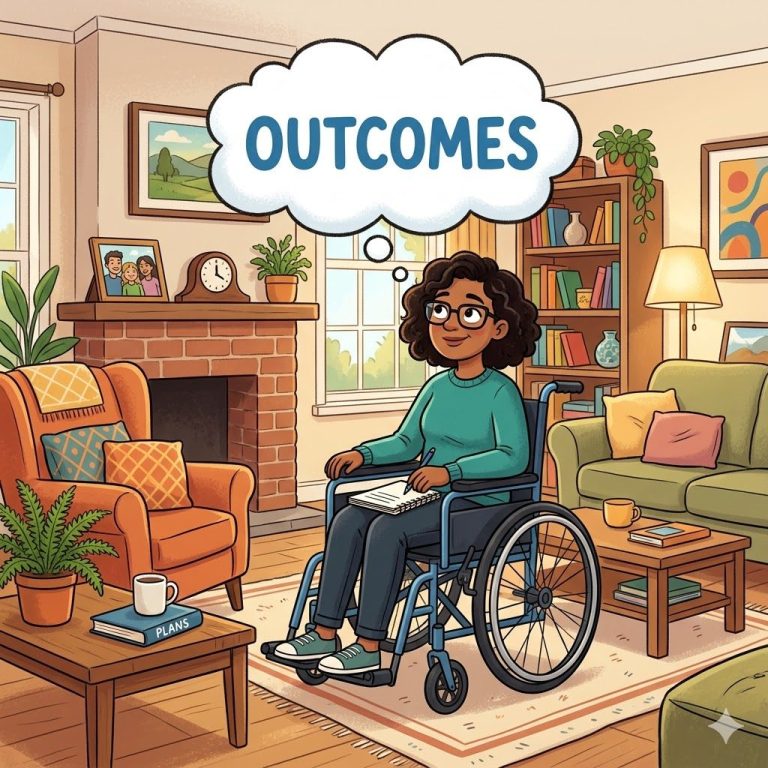
It is easy to focus on gadgets and smart devices, but the most important question is what the individual wants to achieve. The best solutions are those that support meaningful independence and fit naturally into everyday routines.
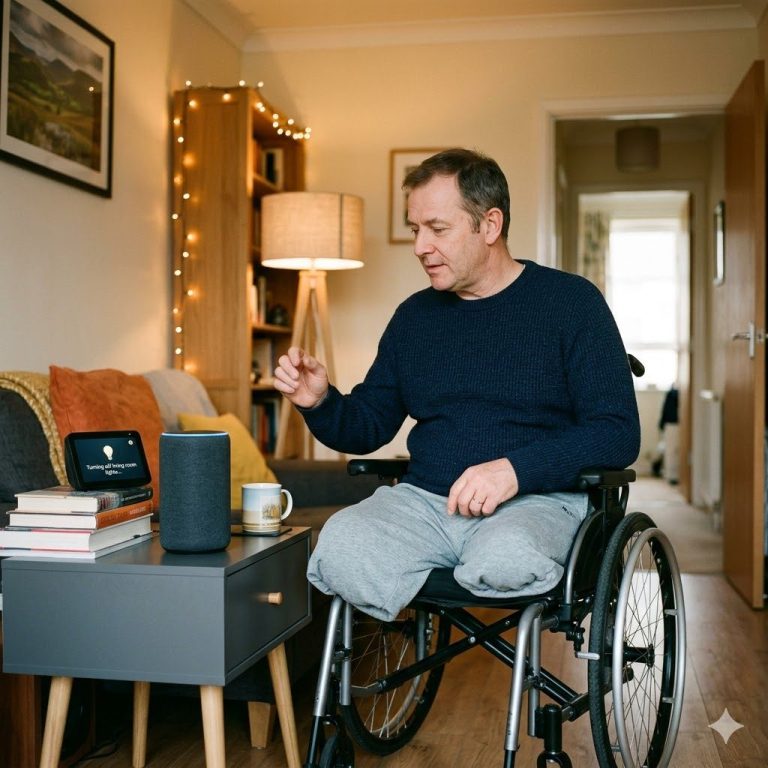
Many mainstream smart home products can now provide affordable environmental control solutions. Smart speakers, smart plugs, lighting systems and voice assistants can often be used to increase independence without requiring specialist equipment.
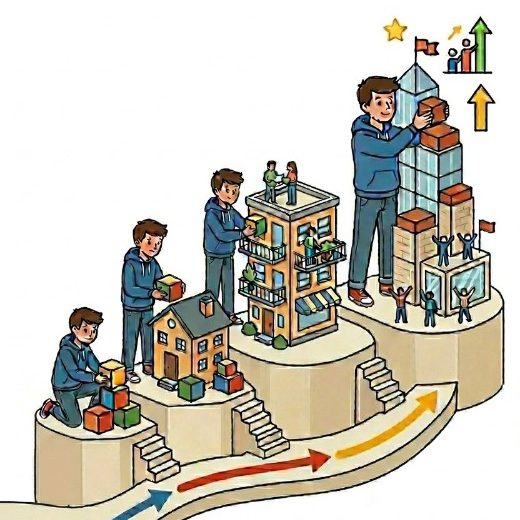
Environmental control systems do not need to be complex. Beginning with a single device, such as a lamp or television, allows individuals and families to gain confidence before expanding to additional features and controls.
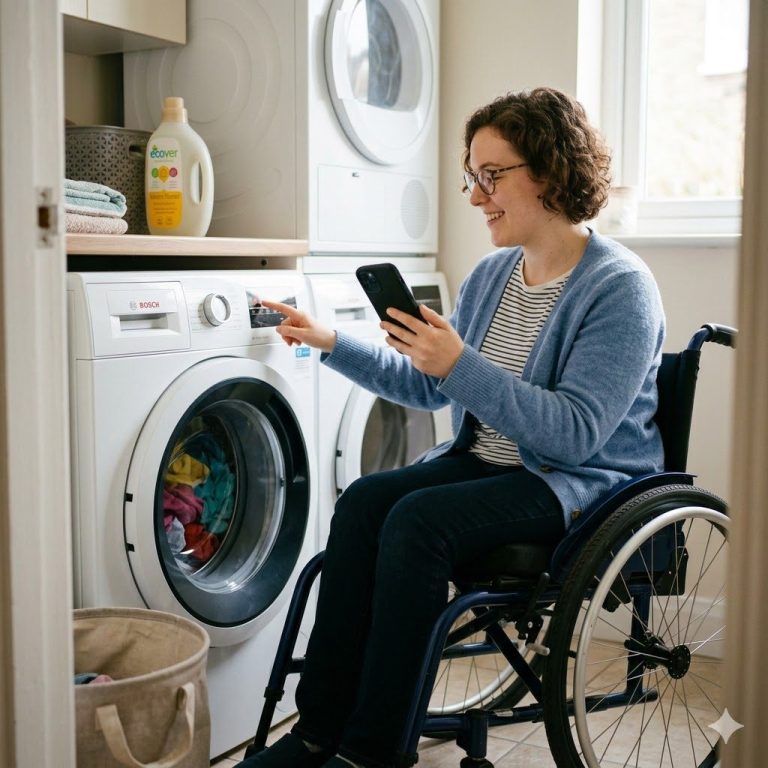
The greatest benefits are often achieved by focusing on items that are used every day. Lighting, entertainment systems, communication devices and household appliances can all become more accessible with the right technology.

Environmental control is not just about operating devices. It can also support organisation, routine and participation. Timers, reminders, automated routines and scheduled actions can all contribute
to greater independence.
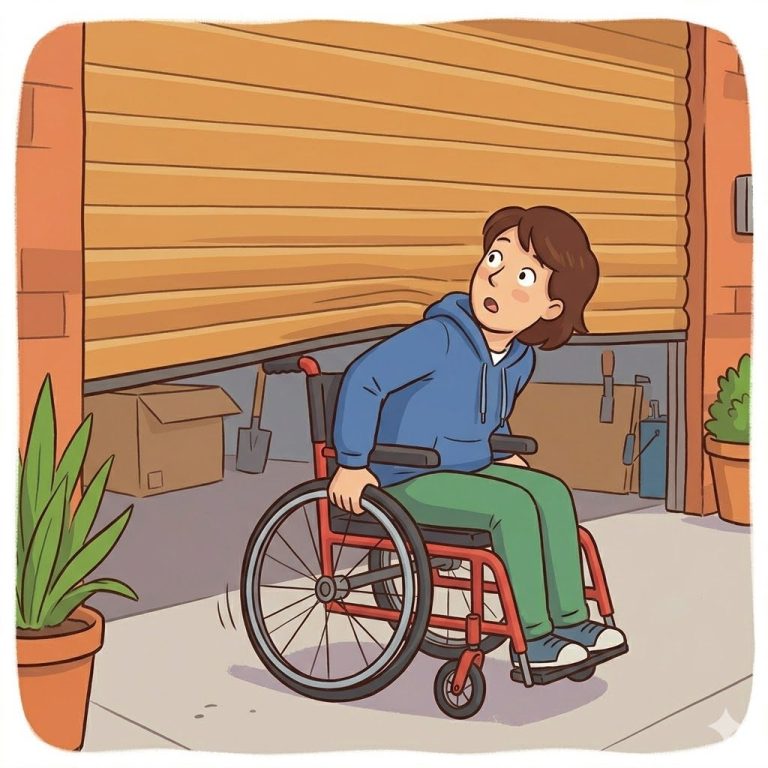
When implementing environmental control solutions, it is important to consider safety and reliability. Systems should be easy to operate, dependable and appropriate for the individual's needs and environment.

The best environmental control solutions are those that integrate naturally into everyday life. Technology should support independence without creating unnecessary complexity or additional barriers.

Environmental control does not always require expensive equipment or major adaptations. Sometimes a simple smart plug, accessible remote control or
voice assistant can provide meaningful improvements in independence
and quality of life.
We need your consent to load the translations
We use a third-party service to translate the website content that may collect data about your activity. Please review the details in the privacy policy and accept the service to view the translations.